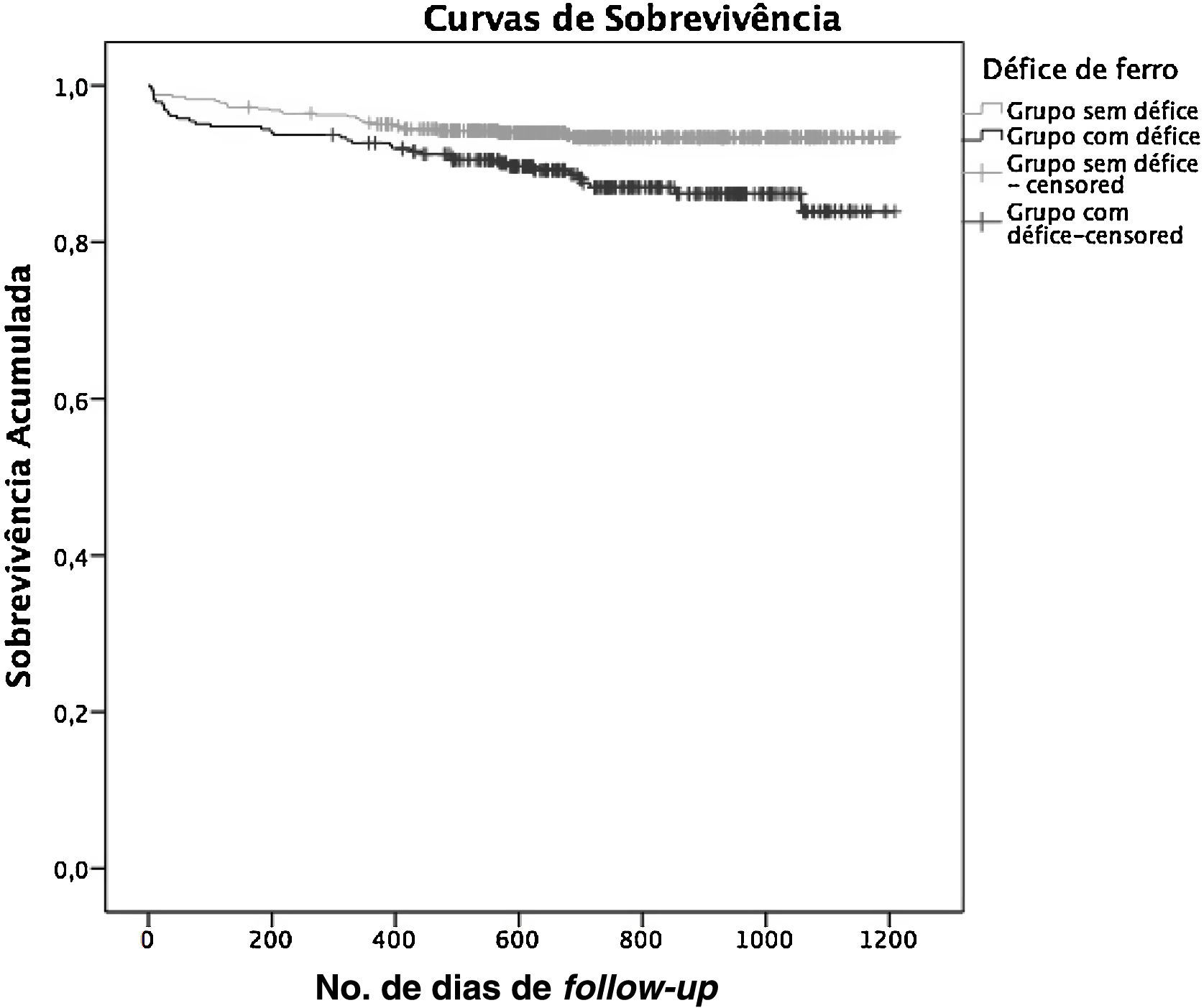
Iron Deficiency: Understanding Its Broad Impact on Kids and Heart Health
Iron deficiency is more than just feeling a little tired; it's a widespread nutritional issue with far-reaching consequences, especially for vulnerable populations like children, and it can even put a strain on your heart. Globally, it remains one of the most common nutrient deficiencies, quietly undermining health and well-being in countless individuals. Understanding the signs and knowing when to act is crucial for prevention and effective management. From subtle fatigue to serious cardiac complications, the impact of insufficient iron can be profound.
Recognizing the Early Signals: Sintomas De Deficiencia De Hierro
The journey to diagnosing iron deficiency often begins with noticing common and unusual symptoms. While a mild or moderate deficiency might not present obvious signs, as it progresses, a spectrum of symptoms can emerge, varying from subtle to severe. Many of these overlap with other types of anemia, but iron deficiency has some unique identifiers. When searching for information, many people look for Sintomas De Deficiencia De Hierro, reflecting a global concern for this condition.
The most common symptom across all forms of anemia is profound fatigue. This isn't just everyday tiredness; it's an overwhelming exhaustion that doesn't improve with rest. It occurs because iron is a vital component of hemoglobin, the protein in red blood cells responsible for transporting oxygen throughout the body. Without enough iron, oxygen delivery becomes inefficient.
Other general symptoms often include:
- Shortness of breath: Feeling winded even with minimal exertion.
- Dizziness or lightheadedness: Especially when standing up quickly.
- Cold hands and feet: Due to poor circulation and oxygen delivery.
- Pale skin, gums, and nail beds: A visible sign of reduced hemoglobin.
- Chest pain: In more severe cases, as the heart struggles to compensate.
Unique Manifestations in Children and Specific Physical Signs
Children are particularly susceptible to the detrimental effects of iron deficiency, which can impede their growth and development. In infants and young children, parents should be vigilant for:
- Lack of appetite: A reduced interest in eating.
- Delayed growth and development: Falling behind developmental milestones.
- Behavioral problems: Irritability, difficulty concentrating, or reduced engagement.
- Increased risk of lead poisoning and infections: Children with iron deficiency are more vulnerable to environmental toxins and illness.
Beyond these, iron deficiency can manifest through several specific physical signs:
- Brittle nails: Nails that are easily broken or spoon-shaped (koilonychia).
- Swelling and soreness of the tongue: Known as glossitis.
- Cracks at the corners of the mouth: Angular cheilitis.
- Enlarged spleen: Though less common, it can be a sign.
- Frequent infections: A weakened immune system due to iron's role in immune function.
Unusual Iron Deficiency Signs: Pica and Restless Legs Syndrome
Some of the more intriguing and less commonly known symptoms of iron deficiency include unusual cravings and neurological disturbances. Individuals with iron deficiency may experience unusual cravings, such as Pica, and Restless Legs Syndrome.
- Pica (or Malacia): This refers to cravings for non-food items like ice, dirt, paint, or starch. While the exact mechanism isn't fully understood, it's a strong indicator of iron deficiency.
- Restless Legs Syndrome (RLS): Characterized by an irresistible urge to move the legs, often accompanied by uncomfortable or strange sensations. RLS can significantly disrupt sleep, further exacerbating fatigue.
It's also important to note that certain symptoms can indicate the underlying cause of iron deficiency, such as black, tarry stools or bright red blood in stools (suggesting gastrointestinal bleeding), or heavy, prolonged menstrual bleeding in women.
The Critical Link: Iron Deficiency and Heart Health
The impact of iron deficiency extends beyond general fatigue and developmental delays. One of its most serious potential consequences involves the cardiovascular system. When there isn't enough hemoglobin to efficiently transport oxygen, the heart is forced to work harder to circulate the reduced oxygen supply throughout the body. This increased workload can lead to significant cardiac stress and serious health complications.
The heart, striving to meet the body's oxygen demands, may undergo changes over time. These can include:
- Arrhythmias: Irregular heartbeats, as the heart's electrical system is stressed.
- Heart murmurs: Abnormal sounds heard during a heartbeat, indicating turbulent blood flow.
- Enlarged heart (Cardiomegaly): The heart muscle thickens and expands as it tries to pump more blood.
- Heart failure: In severe and prolonged cases, the heart can become so weakened and inefficient that it can no longer pump enough blood to meet the body's needs. This is a life-threatening condition.
These heart-related complications underscore the importance of early detection and treatment of iron deficiency, especially given how prevalent it is. What might start as seemingly mild fatigue can, if left unaddressed, escalate into severe cardiac issues, highlighting the interconnectedness of our bodily systems.
Preventing and Managing Iron Deficiency: Actionable Steps
Addressing iron deficiency involves a multi-pronged approach, focusing on dietary intake, absorption, and medical intervention when necessary. The good news is that with proper care, it's a treatable condition.
Dietary Strategies
One of the most effective ways to prevent and manage iron deficiency is through diet. Iron comes in two main forms:
- Heme iron: Found in animal products like red meat, poultry, and fish. It's highly bioavailable, meaning the body absorbs it easily.
- Non-heme iron: Found in plant-based foods such as beans, lentils, spinach, fortified cereals, and nuts. Its absorption can be enhanced by consuming it with Vitamin C-rich foods (e.g., oranges, bell peppers, broccoli).
Tips for increasing iron intake:
- Include lean red meat, poultry, or fish in your diet regularly.
- Pair plant-based iron sources with vitamin C. For example, add strawberries to your iron-fortified oatmeal or bell peppers to your lentil soup.
- Avoid drinking tea or coffee with iron-rich meals, as tannins can inhibit iron absorption.
- Cook in cast-iron skillets, which can leach small amounts of iron into your food.
Medical Intervention and Monitoring
If dietary changes aren't enough, or if deficiency is severe, medical intervention may be necessary. This typically involves:
- Iron supplements: Prescribed by a doctor, these can quickly replenish iron stores. It's crucial to take them as directed and not self-medicate, as excessive iron can be harmful.
- Addressing underlying causes: If heavy menstrual bleeding or gastrointestinal bleeding is the cause, treating these conditions is paramount. Similarly, malabsorption issues like celiac disease or chronic inflammation need to be managed.
- Regular monitoring: Blood tests are essential to diagnose iron deficiency and monitor the effectiveness of treatment.
For children, especially during periods of rapid growth, ensuring adequate iron intake is vital. Pediatricians often screen for iron deficiency and can recommend appropriate dietary adjustments or supplements. Pregnant women also have significantly increased iron needs and should discuss supplementation with their healthcare providers.
Always consult with a healthcare professional for diagnosis and treatment plans. They can assess your individual needs, identify the cause of the deficiency, and recommend the safest and most effective course of action.
Conclusion
Iron deficiency is a serious condition with wide-ranging health implications, particularly for children's development and adult heart health. From the subtle signs of fatigue to specific physical manifestations like brittle nails or unusual cravings (pica), and the more severe consequences for the cardiovascular system, its impact cannot be underestimated. Recognizing the Sintomas De Deficiencia De Hierro early and seeking timely medical advice are critical steps toward prevention and recovery. By maintaining an iron-rich diet, being aware of the symptoms, and working closely with healthcare providers, we can safeguard our health and the well-being of the younger generation against the silent threat of iron deficiency.